Understanding pump systems is essential for optimizing business operations. These systems play a critical role in fluid movement across various industries. Common issues such as cavitation and wear can greatly hinder performance. Proactive maintenance and advanced monitoring technologies can mitigate these problems. This analysis will explore the complexities of pump systems and their impact on operational efficiency. Understanding how to troubleshoot a pump system is key to identifying strategies businesses can implement to guarantee reliability and performance.
Key Takeaways
- Understanding pump systems ensures consistent fluid movement, enhancing productivity and reducing operational downtime across various industries.
- Knowledge of common pump issues allows for timely troubleshooting, preventing costly repairs and maintaining high efficiency.
- Implementing preventive maintenance strategies extends pump lifespan, reducing energy consumption and overall operational costs.
- Monitoring performance metrics enables real-time insights, facilitating quick adjustments to maintain optimal flow rates and system reliability.
- A well-functioning pump system fosters operational stability, contributing to improved product quality and a cohesive work environment.
Understanding the Role of Pump Systems in Business Operations
Understanding the role of pump systems in business operations is essential for optimizing efficiency and productivity. These systems serve as the backbone for fluid movement in various industries, from manufacturing to agriculture. Properly designed and maintained pump systems guarantee consistent flow rates, reduce downtime, and minimize energy consumption. Their significance extends to maintaining product quality, safeguarding equipment longevity, and enhancing overall operational reliability. By integrating advanced monitoring technologies, businesses can achieve real-time insights into pump performance, facilitating data-driven decisions. Additionally, a thorough understanding of pump systems empowers organizations to implement effective maintenance strategies and troubleshooting protocols, ultimately fostering a culture of continuous improvement. This knowledge not only enhances operational integrity but also strengthens a sense of belonging among team members invested in collective success.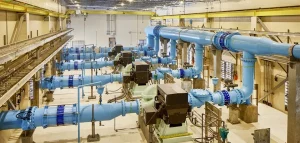
Common Issues That Affect Pump Performance
Pump systems, despite their significance, are susceptible to various issues that can impede performance and efficiency. Identifying these common issues is essential for any operation relying on pumps. The three predominant factors affecting pump performance include:
- Cavitation: This occurs when vapor bubbles form in the liquid and collapse, leading to potential damage and reduced efficiency.
- Wear and Tear: Over time, components like seals and bearings degrade, which can lead to leaks and decreased reliability.
- Inadequate Maintenance: Neglecting regular inspections and servicing can exacerbate existing problems and hinder ideal operation.
Addressing these issues is fundamental for ensuring pump systems function effectively, thereby supporting overall business operations. For organizations looking to improve efficiency, understanding how to troubleshoot a pump system is imperative.
How to Troubleshoot a Pump System Effectively
Troubleshooting a pump system requires a systematic approach to identify and rectify issues that hinder performance. First, operators should gather operational data, such as flow rate and pressure, to establish a baseline. Next, they must inspect the pump components, including seals, bearings, and impellers, for wear or damage. Checking the power supply and controls is essential to rule out electrical issues. Additionally, examining the inlet and discharge lines for blockages or leaks can reveal hidden problems. Once anomalies are detected, targeted corrective actions should be implemented. Finally, thorough documentation of the troubleshooting process is vital for future reference and continuous improvement. By employing these steps, businesses can effectively troubleshoot a pump system, ensuring peak operational efficiency.
Preventive Maintenance Strategies for Pump Systems
While operational efficiency is crucial for any industry reliant on fluid movement, implementing preventive maintenance strategies for pump systems is essential to minimize downtime and extend equipment lifespan. A structured approach can greatly enhance reliability and performance. Key strategies include:
- Regular Inspections: Scheduled assessments of pump components help identify wear and potential failures before they escalate.
- Lubrication Management: Ensuring appropriate lubrication levels can reduce friction and prolong component life.
- Monitoring Performance Metrics: Utilizing sensors and data analytics allows for real-time tracking of efficiency and operational anomalies.
The Impact of Efficient Pump Systems on Operational Efficiency
Understanding the intricacies of pump systems is crucial for enhancing operational efficiency across various industries. Efficient pump systems minimize energy consumption and reduce operational costs, directly impacting overall productivity. A well-designed pump system guarantees ideal flow rates, thereby reducing downtime related to maintenance and potential failures. When organizations implement efficient pump systems, they can achieve greater reliability and performance, which fosters a sense of security and belonging among employees who rely on these systems for their daily tasks. Additionally, addressing issues such as cavitation and flow restrictions through effective troubleshooting can greatly improve system longevity and operational stability. Consequently, mastering the knowledge of how to troubleshoot a pump system becomes essential for maintaining sustained operational excellence and fostering a cohesive work environment.
Frequently Asked Questions
What Types of Pumps Are Best for Different Applications?
Different applications require specific pump types; centrifugal pumps excel in low-viscosity fluids, while positive displacement pumps handle high-viscosity substances effectively. Understanding these distinctions is essential for maximum performance and efficiency in various operational contexts.
How Can Pump Selection Affect Energy Consumption?
Pump selection considerably impacts energy consumption, as efficiency varies by design and application. Properly chosen pumps optimize performance, reducing operational costs and minimizing environmental impact, thereby fostering a sense of responsibility within energy-conscious organizations.
What Are the Signs of Pump System Wear and Tear?
Signs of pump system wear and tear include unusual vibrations, decreased efficiency, increased noise, fluid leaks, and fluctuating pressure readings. Regular monitoring and maintenance can help identify these issues early, ensuring peak performance and longevity.
How Often Should Pump Systems Be Inspected?
Pump systems should be inspected regularly, ideally every six months, to guarantee peak performance. Frequent checks help identify wear and tear early, preventing costly breakdowns and enhancing overall system reliability in industrial operations.
What Regulatory Standards Apply to Pump Systems?
Regulatory standards for pump systems typically encompass environmental safety, operational efficiency, and maintenance protocols. Compliance with local and federal regulations guarantees safe operations, minimizes risks, and promotes sustainability within industrial and commercial environments. Understanding these standards is essential.
Conclusion
To summarize, a thorough understanding of pump systems is essential for optimizing business operations. By identifying common performance issues and implementing effective troubleshooting and preventive maintenance strategies, organizations can greatly enhance operational efficiency. The integration of advanced monitoring technologies further supports real-time performance insights, ensuring product quality and prolonging equipment lifespan. Ultimately, prioritizing pump system knowledge leads to reduced downtime and energy consumption, fostering a more reliable and efficient working environment that benefits overall business performance.
You May Also Like To Read: