Effective roof leak detection is critical for property maintenance. Traditional methods often rely on manual inspections, which can be time-consuming and inefficient. Emerging technologies, such as thermal imaging and moisture sensors, offer more precise alternatives. Drones further enhance these capabilities by allowing for thorough aerial assessments. Understanding these advancements and their implementation can lead to significant cost savings and improved roof longevity. However, the question remains: what are the most effective strategies to integrate these methods?
Key Takeaways
- Utilize thermal imaging cameras for quick identification of temperature variations, indicating potential leaks without extensive manual inspections.
- Implement moisture sensors for real-time leak monitoring, allowing for immediate action and minimizing damage.
- Schedule regular visual inspections and gutter cleanings to catch early signs of wear and prevent costly repairs.
- Employ drone technology for aerial inspections, enhancing coverage and accuracy while reducing labor costs.
- Invest in high-quality roofing materials and professional assessments to ensure durability and reduce the likelihood of future leaks.
Common Causes of Roof Leaks
A significant number of roof leaks can be attributed to specific, identifiable causes. Common issues include compromised flashing, which often results from improper installation or wear over time, and damaged shingles, which may be caused by intense weather conditions or aging materials. Additionally, clogged gutters can lead to water pooling, increasing the likelihood of leaks. Another significant contributor is the deterioration of sealants around roof penetrations, such as vents and chimneys, which can fail to provide adequate protection. Understanding these causes is essential for effective roof leak detection methods. By pinpointing the underlying issues, property owners can adopt targeted preventative measures, ensuring a more resilient roofing system and minimizing potential repair costs in the long run.
Traditional Roof Leak Detection Methods
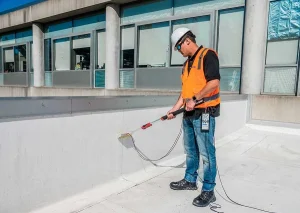
Identifying roof leaks through traditional methods involves a systematic approach that combines visual inspections and physical testing. Inspectors typically begin with a thorough visual examination of the roof surface, looking for common indicators such as discoloration, water stains, and damaged materials. Additionally, physical testing methods, such as the “water test,” are employed, where water is strategically applied to suspected areas to observe any resultant leaks. Furthermore, inspectors may utilize infrared thermography to detect temperature variations, indicating moisture presence beneath the roof surface. While these traditional roof leak detection methods are foundational, they require skilled personnel and can be time-consuming, potentially leading to delays in addressing leaks and increased repair costs. Consequently, understanding these methods is essential for effective leak management.
Innovative Technologies for Leak Detection
Traditional roof leak detection methods, while effective, often have limitations regarding efficiency and accuracy. Innovative technologies have emerged to enhance the precision of leak detection, addressing these shortcomings. Key advancements include:
- Thermal Imaging Cameras: These devices identify temperature variations in roofing materials, pinpointing moisture intrusion with high accuracy.
- Moisture Sensors: Installed within roofing systems, these sensors provide real-time data, alerting maintenance teams to potential leaks before they escalate.
- Drones with Infrared Technology: Equipped with advanced imaging tools, drones conduct aerial inspections, allowing for thorough assessments of roof integrity without the need for scaffolding.
These innovative roof leak detection methods not only improve accuracy but also streamline maintenance processes, fostering a proactive approach in building management.
Cost-Effective Strategies for Early Detection
Effective roof leak detection methods are essential for minimizing damage and reducing repair costs. Employing regular visual inspections can identify early signs of wear, such as discoloration or bubbling in roofing materials. Additionally, moisture meters and thermal imaging cameras serve as cost-effective tools for detecting hidden leaks, enabling proactive intervention. Implementing a routine maintenance schedule can further enhance early detection, as it encourages timely assessments of roof conditions. Utilizing advanced technology, such as drone inspections, can also provide a thorough overview without extensive labor costs. By integrating these strategies, property owners can greatly enhance their roof maintenance protocols, ensuring early leak detection while fostering a sense of community among those prioritizing preventative care.
Best Practices for Maintaining a Leak-Free Roof
While regular inspections are essential for roof health, establishing best practices for maintaining a leak-free roof is equally important. These practices not only prolong roof lifespan but also enhance overall building integrity.
- Routine Maintenance: Schedule periodic inspections and clean gutters to prevent water accumulation and debris buildup.
- Quality Materials: Invest in high-grade roofing materials that offer improved durability and resistance to weather elements.
- Professional Consultation: Engage roofing professionals for thorough assessments, ensuring that potential vulnerabilities are identified and addressed promptly.
Implementing these practices fosters a proactive approach to roof care, greatly reducing the likelihood of leaks. By understanding and applying these best practices, building owners can achieve a leak-free roof, reinforcing the importance of effective roof leak detection methods.
Frequently Asked Questions
How Often Should I Inspect My Roof for Leaks?
Routine inspections for roof leaks should occur at least twice a year, ideally during spring and fall. Additionally, inspections after severe weather events enhance early detection, preventing costly damage and ensuring roof longevity.
Can Roof Leaks Cause Structural Damage Over Time?
Yes, roof leaks can cause significant structural damage over time. Persistent moisture can weaken materials, promote rot, and foster mold growth, ultimately compromising the integrity of the building and necessitating costly repairs or replacements.
What Are the Signs of a Hidden Roof Leak?
Signs of a hidden roof leak include water stains on ceilings, mold growth, peeling paint, and damp insulation. These indicators often suggest underlying moisture issues that require immediate attention to prevent further structural damage.
Is Professional Help Always Necessary for Leak Detection?
Professional help is not always necessary for leak detection; however, expertise can greatly enhance accuracy and efficiency. Homeowners with basic knowledge may identify obvious signs, but complex issues often require specialized skills and tools for effective resolution.
How Can I Prevent Future Roof Leaks Effectively?
Preventing future roof leaks effectively involves regular inspections, maintaining gutters, applying waterproof coatings, ensuring proper ventilation, and addressing minor repairs promptly. These proactive measures greatly reduce the risk of costly damage and enhance overall structural integrity.
Conclusion
To summarize, adopting advanced roof leak detection methods, such as thermal imaging and moisture sensors, greatly enhances the efficiency of inspections while reducing costs associated with traditional approaches. The integration of drone technology further refines the assessment process, enabling thorough coverage of roofing structures. By implementing a proactive maintenance strategy that incorporates these innovative tools, property owners can mitigate the risk of leaks, extend the lifespan of roofing materials, and ultimately safeguard their investments.
You May Also Like To Read: