When considering Bitcoin as a payment method for your design business, it’s essential to understand the impact of Bitcoin ATM fees. These fees, which can range from 5% to 20%, can erode your profit margins and complicate cash flow management. By analyzing how these costs affect transactions and client choices, you can better navigate the evolving landscape of cryptocurrency payments and their implications for your bottom line. What strategies can you implement to mitigate these fees?
Key Takeaways
- Bitcoin ATM fees typically range from 5% to 20%, impacting the overall cost of transactions for design businesses.
- High fees can erode profit margins, complicating pricing strategies and financial health for design firms.
- Customers may prefer online exchanges due to lower fees, potentially reducing ATM usage and affecting cash flow.
- Consolidating transactions and negotiating payment methods can help mitigate the impact of Bitcoin ATM fees.
- Staying informed about fee trends is essential for maintaining competitiveness and adapting business models in the design industry.
Understanding Bitcoin ATM Fees: A Breakdown
When maneuvering the world of Bitcoin ATMs, understanding the associated fees is vital for any design business looking to leverage cryptocurrency. So, what are Bitcoin ATM fees? Typically, these fees can range from 5% to 20% of the transaction amount, depending on the ATM operator. You’ll encounter two main types of fees: transaction fees and service fees. Transaction fees are charged for converting cash to Bitcoin, while service fees may apply for using the ATM itself. Additionally, it’s important to take into account network fees, which can fluctuate based on Bitcoin’s current market conditions. By grasping these costs, you can make informed decisions that align with your business’s financial strategy and enhance customer experiences with cryptocurrency transactions.
How Bitcoin ATM Fees Impact Transactions
Understanding the fees associated with Bitcoin ATMs is key to comprehending how they impact transactions. When you use a Bitcoin ATM, you’re often faced with fees that can greatly affect the total cost of your purchase or sale. These fees typically range from 5% to 15% of the transaction amount, which can make a noticeable difference in smaller transactions. High fees can deter customers from using ATMs for quick trades, pushing them toward online exchanges instead. Additionally, these costs can impact your cash flow if you’re regularly converting Bitcoin to fiat. By being aware of these fees, you can make informed decisions that better align with your financial goals and enhance your transaction strategies.
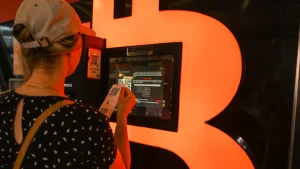
The Role of Bitcoin ATM Fees in Design Business Operations
Although Bitcoin ATMs can offer convenience for quick transactions, the associated fees can greatly influence your design business operations. These fees, typically ranging from 5% to 15%, can erode your profit margins, making it vital to assess their impact on your pricing strategy and overall financial health. If you frequently transact in Bitcoin, the cumulative effect of these fees may deter potential clients who prefer more cost-effective payment methods. Additionally, high fees could complicate your cash flow, especially in a project-based environment where budget constraints are common. Understanding what are Bitcoin ATM fees helps you make informed decisions that align with your business goals, ensuring you maintain competitive pricing while offering the convenience that clients desire.
Strategies to Mitigate Bitcoin ATM Fees
To counteract the impact of Bitcoin ATM fees on your design business, implementing effective strategies is key. By taking proactive steps, you can minimize these costs and enhance your profitability. Here are some strategies to contemplate:
- Choose ATMs with Lower Fees: Research and locate Bitcoin ATMs that offer competitive rates.
- Consolidate Transactions: Instead of multiple small transactions, consolidate into fewer, larger ones to save on fees.
- Negotiate Payment Terms: Work with clients to negotiate payment methods that minimize fees.
- Utilize Online Exchanges: Contemplate using online platforms for transactions, often with lower fees than ATMs.
- Stay Informed: Keep up with changes in Bitcoin ATM fees to adapt your strategies as needed.
Future Outlook: Bitcoin ATM Fees and the Design Industry
As the design industry continues to evolve alongside cryptocurrency, the future of Bitcoin ATM fees presents both challenges and opportunities for businesses. The volatility of these fees can impact your clients’ willingness to transact in Bitcoin, affecting your design projects’ budgets. Understanding what are Bitcoin ATM fees will be essential for you to navigate this landscape effectively. You might find that adapting your pricing strategies to incorporate potential fee fluctuations can enhance your competitiveness. Furthermore, as more clients embrace cryptocurrency, offering payment options through Bitcoin ATMs could attract a broader clientele. By staying informed about fee trends and adjusting your business model accordingly, you can position yourself advantageously within the design industry, fostering a sense of community and innovation.
Frequently Asked Questions
Are Bitcoin ATM Fees the Same Everywhere?
No, Bitcoin ATM fees aren’t the same everywhere. They vary based on location, operator, and market conditions. You’ll find different fees at different ATMs, so it’s wise to compare options before making transactions.
Do Bitcoin ATMS Accept Cash or Only Cards?
Bitcoin ATMs typically accept cash, allowing you to purchase bitcoins directly. Some machines also support card transactions, providing flexibility. Always check the specific ATM’s options, as features can vary by location and operator.
How Are Bitcoin ATM Fees Determined?
Bitcoin ATM fees are determined by factors like transaction amount, network fees, operator charges, and location. You’ll find these fees vary, so it’s wise to check before using a Bitcoin ATM for your transactions.
Can I Avoid Bitcoin ATM Fees Entirely?
You can’t entirely avoid Bitcoin ATM fees, but you can minimize them. Consider using online exchanges or peer-to-peer platforms for transactions. These options typically offer lower fees, helping you manage your costs more effectively.
What Happens if a Transaction Fails at a Bitcoin ATM?
If a transaction fails at a Bitcoin ATM, you won’t receive your Bitcoin or cash. It’s essential to check your transaction status and contact customer support for resolution to avoid potential losses.
Conclusion
In conclusion, Bitcoin ATM fees can greatly affect your design business by reducing profit margins and complicating cash flow. As you navigate these costs, it’s essential to analyze their impact on client transactions and overall operations. By adopting effective strategies to mitigate these fees, you can maintain competitive pricing and enhance client convenience. Staying informed about the evolving landscape of Bitcoin ATM fees will guarantee that your design business remains financially healthy and adaptable in a changing market.
You May Also Like To Read: