Injuries can be distressing for dogs and their owners alike. Effective wound bandages play an essential role in the healing process. They must balance protection and comfort while considering the dog’s emotional state. Thoughtfully designed bandages can elevate a pet’s recovery experience. However, creating these bandages requires a careful selection of materials and techniques. Understanding the essentials will lead to better outcomes for both the pet and the owner. What steps can be taken to guarantee ideal healing?
Key Takeaways
- Utilize soft, breathable materials to ensure comfort and minimize irritation for dogs during the healing process.
- Incorporate colorful or patterned designs to uplift your dog’s spirits and create a positive experience.
- Employ non-stick pads and elastic bandages for effective wound protection and gentle support without compromising movement.
- Monitor the bandage regularly for cleanliness and fit, adjusting as necessary to promote healing and prevent complications.
- Prioritize hypoallergenic materials to prevent allergic reactions and ensure a safe bandaging solution for sensitive skin.
Understanding the Importance of Proper Bandaging for Dog Wounds
Proper bandaging for dog wounds is essential for ensuring ideal healing and preventing complications. When a dog sustains an injury, effective bandaging acts as a protective barrier, reducing the risk of infection and promoting a conducive environment for recovery. Understanding the significance of this care allows pet owners to feel empowered and connected to their furry companions. Additionally, proper bandaging can alleviate discomfort, providing reassurance to both the dog and its owner during the healing process. It fosters a sense of responsibility and belonging within the pet-owner relationship. Ultimately, learning how to bandage a dog wound effectively is a crucial skill that reflects love and commitment to ensuring the health and well-being of a beloved pet.
Essential Materials for Creating Effective Dog Wound Bandages
Effective healing of dog wounds hinges not only on the technique of bandaging but also on the choice of materials used in the process. Selecting high-quality supplies is important for ensuring comfort and protection. Soft, breathable gauze provides a gentle layer against the wound, while adhesive medical tape secures the bandage without causing irritation. Non-stick pads are necessary to prevent adhering to the wound and promoting healing. For additional support, elastic bandages can offer gentle compression. It is essential to avoid materials that may cause allergic reactions. By thoughtfully choosing these crucial materials, caregivers can foster a sense of safety and care, ultimately enhancing the healing journey for their beloved canine companions while learning how to bandage a dog wound effectively.
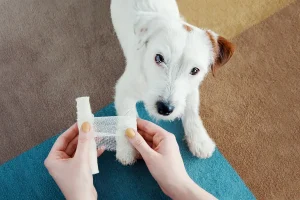
Step-by-Step Guide on How to Bandage a Dog Wound
When a dog suffers a wound, knowing how to bandage it properly is essential for promoting healing and preventing further injury. Here’s a simple step-by-step guide on how to bandage a dog wound effectively:
- Clean the Wound: Gently rinse the area with saline solution to remove dirt and debris.
- Apply an Antibiotic Ointment: This helps prevent infection before applying the bandage.
- Wrap the Bandage: Use a self-adhesive bandage, starting from the area above the wound, ensuring it’s snug but not too tight.
Creative Techniques to Enhance Bandage Comfort and Functionality
Although bandaging a dog wound is essential for healing, enhancing the comfort and functionality of the bandage can greatly improve the dog’s overall experience. Creative techniques can include using soft, breathable materials that minimize irritation while allowing for adequate ventilation. Incorporating a lightweight, flexible design enables the dog to move freely, reducing stress and discomfort. Additionally, employing soothing elements like hypoallergenic padding or infused materials can provide a calming effect. Colorful or patterned bandages can also serve to uplift the dog’s spirits and foster a sense of belonging. Ultimately, when considering how to bandage a dog wound, these thoughtful enhancements contribute to a more positive healing journey, fostering trust between pet and owner.
Monitoring and Caring for Your Dog Post-Bandaging
Once a dog has been bandaged, ongoing monitoring and care are essential to guarantee proper healing and comfort. Owners play a vital role in ensuring that their pet recovers effectively. Here are three key areas to focus on:
- Inspect the Bandage: Check regularly for signs of moisture, dirt, or loosening, as these can hinder healing.
- Watch for Discomfort: Observe your dog’s behavior for signs of pain or irritation, such as whining, licking, or limping.
- Maintain Cleanliness: Keep the bandaged area clean and dry to prevent infection, avoiding wet or muddy environments.
Frequently Asked Questions
Can I Use Human Bandages on My Dog’s Wounds?
Using human bandages on a dog’s wounds is not recommended. Canine skin differs considerably, and appropriate veterinary products guarantee proper healing. Always consult a veterinarian for guidance on how to bandage a dog wound effectively.
How Often Should I Change the Bandage?
Changing a dog’s bandage every 24 to 48 hours is recommended to guarantee proper healing. Regularly checking for signs of infection or irritation is essential, fostering a supportive environment for the dog’s recovery journey.
What Signs Indicate a Bandage Is Too Tight?
Signs that a bandage is too tight include swelling, discoloration, excessive heat, or discomfort in the dog. Observing these symptoms is essential to guarantee the pet’s well-being and promote effective healing during recovery.
Can I Use Adhesive Tape on a Dog Bandage?
Using adhesive tape on a dog bandage can be effective, but it’s important to verify it doesn’t restrict circulation. Proper application and monitoring are vital for the dog’s comfort and healing.
Are There Any Home Remedies for Dog Wound Care?
Home remedies for dog wound care include cleaning the area with saline solution, applying honey for its antibacterial properties, and using aloe vera for soothing effects. However, consulting a veterinarian remains essential for proper treatment and healing.
Conclusion
To sum up, designing effective dog wound bandages requires a harmonious balance of functionality, comfort, and creativity. By selecting appropriate materials and employing thoughtful techniques, pet owners can guarantee their dogs receive the protection they need while also promoting healing and emotional well-being. Regular monitoring and care post-bandaging further enhance the recovery process, demonstrating the owner’s dedication to their pet’s health. This approach not only aids in physical recovery but also fosters a supportive environment for emotional healing.
You May Also Like To Read: